little box cigars
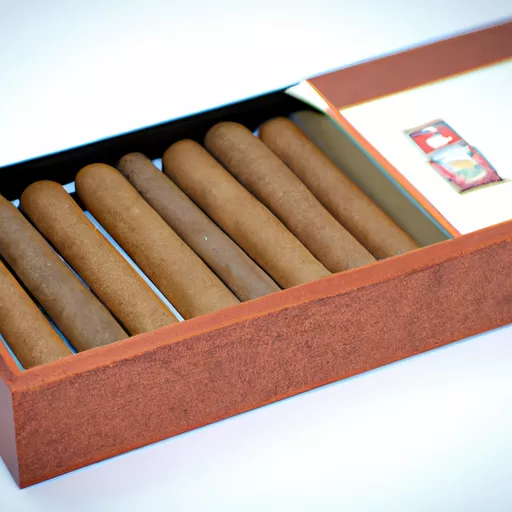
As a lover of cigars, I have always been curious about the world of little cigars. Despite their size, these miniature versions of the classic cigar offer a unique and satisfying experience that sets them apart from their larger counterparts. In this article, I will guide you through the world of little cigars and explore their history, flavors, and appeal.
First, let’s start with the basics. A little cigar, also known as a cigarillo, is typically smaller in size than a traditional cigar and typically contains less tobacco. They are sometimes referred to as “mini-cigars” or “pocket cigars” due to their size and portability. Little cigars come in various shapes and sizes, from short and slender to more robust and conical. They also come in a variety of flavors, making them a popular choice for those seeking a quick smoke with a touch of sweetness.
The origins of little cigars can be traced back to the early 19th century when cigar manufacturers in Europe noticed the waste of tobacco leaves left after rolling bigger cigars. They began using these scraps to create smaller, more affordable cigars that were perfect for the working class. Soon, little cigars became popular worldwide, especially in the United States, where they were first produced in the early 1900s by the Dutch-based company, Swisher.
One of the main appeals of little cigars is their affordability. While traditional cigars can range from a few dollars to hundreds of dollars, little cigars are much more budget-friendly. You can usually find a pack of little cigars for around $10 or less, making them a great option for those looking for a quality smoke without breaking the bank.
But don’t let their size fool you. Little cigars may be smaller, but they still offer a satisfying smoking experience. The tobacco used in little cigars is usually of high quality, with a smooth and consistent burn. They also come in a wide range of flavors, from fruity and sweet to more traditional tobacco blends. Some popular flavors include vanilla, cherry, and chocolate. These flavors add a touch of sweetness to the smoke, making it enjoyable for those who may not like the strong taste of traditional cigars.
When it comes to smoking a little cigar, there are a few things to keep in mind. First, just like with traditional cigars, you must cut the end before smoking. Most little cigars come with a cut on one end, so you do not need a cutter. However, if you prefer a cleaner cut, you can use a cigar cutter or even a sharp knife. Next is the lighting process. Unlike cigarettes, little cigars require a more relaxed and slower lighting process. Take your time and rotate the cigar to ensure an even burn. Finally, take your time and enjoy the smoke. Little cigars are meant to be savored, not rushed.
One concern for many people when it comes to little cigars is the health risks associated with smoking. While it is true that little cigars, like any tobacco product, do pose health risks, they typically contain less tobacco and fewer chemicals than cigarettes. They are also intended to be smoked less frequently than cigarettes, making them a better choice for those looking to reduce their tobacco intake. However, as with any tobacco product, it is essential to smoke in moderation and be aware of the potential health risks.
Overall, little cigars offer a unique and enjoyable smoking experience for both seasoned cigar enthusiasts and beginners. Their small size, affordability, and variety of flavors make them an attractive option for those looking for a quick smoke or something different from traditional cigars.
So next time you’re browsing through a cigar shop, don’t overlook the little cigars. Give them a try and see for yourself why they have become increasingly popular among smokers. Just remember to take your time and savor the experience. Happy smoking!